Opeth
Artist enquiry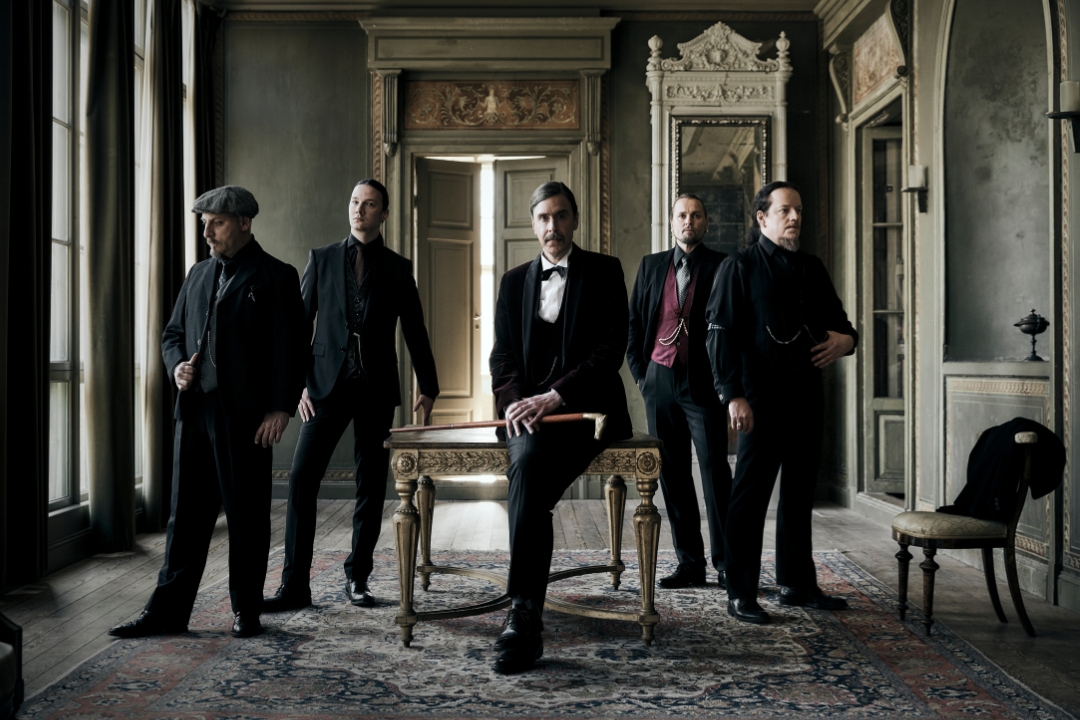
There are few bands that can match the longevity and consistency of Opeth. Since forming in 1990, the band have continually evolved, crafting fourteen albums that reflect a career built on progression.
Every Opeth record represents a distinct phase. From the early foundations of Orchid through to the genre-defining impact of Blackwater Park, and into the deliberate shifts of Damnation and Watershed, the band have consistently redefined their own parameters.
That evolution accelerated across the last decade. Pale Communion, Sorceress and In Cauda Venenum each expanded the band’s progressive identity, drawing from a wide spectrum of influences while maintaining a clear and recognisable core.
However, more than three decades into their career, Opeth have trained their admirers to expect the unexpected. But even by their own standards, the Swedish progressive titans conjured something extraordinary with their 14th studio exploration The Last Will & Testament. The darkest and heaviest record they have made in decades, it is also the most fearlessly progressive. A concept album set in the shadowy, sepia-stained 1920s, it slowly reveals its secrets like some classic thriller from the distant, cobwebbed past, with each successive song shining more light on the stated machinations of our dead (but definitely not harmless) protagonist. The Last Will and Testament brims with haunting melodrama, shocking revelations and some of the wildest and most unpredictable music that songwriter/frontman Mikael Åkerfeldt has ever written.
“I have become quite interested in family, and the idea that blood is not always thicker than water,” Åkerfeldt explains. “I became interested in how family members can turn on each other. I saw an interview with this guy whose family had all turned against him, over the inheritance, so I wrote a song about that on the last record. The idea stuck with me, and then along came the TV show Succession, and I loved that series. That was in the back of my head too. It felt like an interesting topic that you could twist and turn a little bit.”
Each release cycle builds on the last, requiring a considered approach that supports both legacy material and new output. With a global audience that spans multiple eras of the band’s sound, activity must balance catalogue depth with an ever evolving industry.